Contents
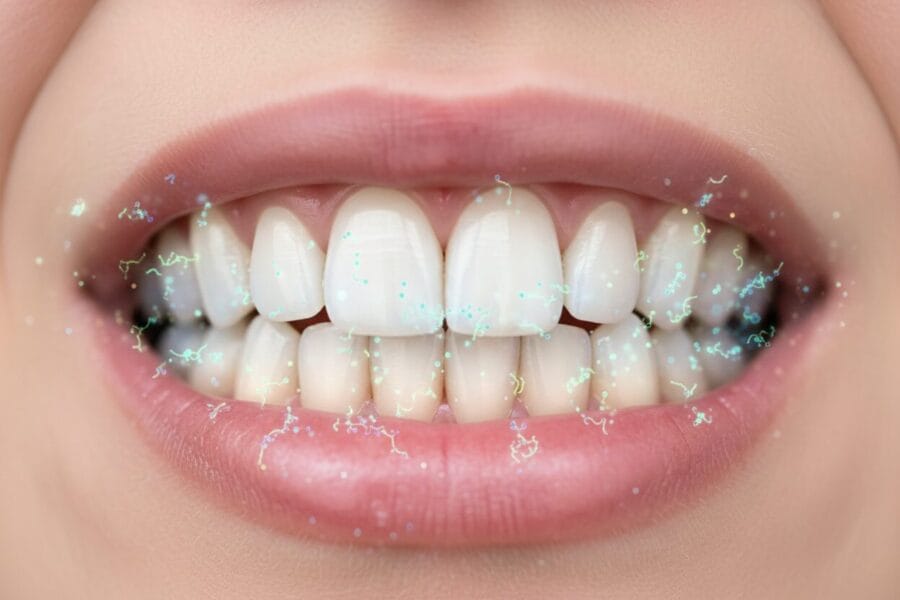
Your mouth hosts over 700 species of microorganisms, bacteria, fungi, and viruses that collectively form one of the most complex ecosystems in the human body. The oral cavity is actually the second largest microbial community in your body, right after your gut, yet it gets a fraction of the attention.
That gap matters. Approximately 3.5 billion people worldwide suffer from oral diseases, making it the most prevalent health condition on the planet according to WHO data. What happens in your mouth doesn’t stay in your mouth.
What Is the Oral Microbiome?
The oral microbiome is the entire community of microorganisms living on your teeth, gums, tongue, saliva, and throat. Penn Dental Medicine faculty describe it well: “A healthy oral microbiome contains a delicate balance of both good and bad bacteria, where beneficial bacteria help in maintaining health.”
The key word is balance. Beneficial species like certain Streptococcus strains neutralize acids, produce antimicrobial compounds, and crowd out harmful pathogens. Destructive species like Porphyromonas gingivalis and Fusobacterium nucleatum trigger inflammation and erode enamel when they dominate. Your saliva serves as a frontline defense, producing roughly 1 to 1.5 liters daily packed with antimicrobial compounds that regulate microbial populations.
When the Balance Breaks Down
Dysbiosis, the disruption of your microbial balance, is the root cause of most common oral diseases. When acidogenic bacteria overwhelm beneficial species, they metabolize sugars into acids that dissolve tooth enamel. Dental plaque can harbor up to 1 billion bacteria per milliliter, making consistent removal critical.
The progression typically follows this pattern:
- Diet shifts toward sugar and processed foods feed harmful bacteria
- Biofilm thickens as pathogenic species multiply and form plaque
- Inflammation signals appear as bleeding gums or sensitivity
- Gingivitis develops, then escalates to periodontitis without intervention
Periodontal disease affects roughly 47% of U.S. adults over age 30, a figure that reflects just how common unchecked dysbiosis becomes over time.
The Systemic Connection You Can’t Ignore
UCSF researchers framed it plainly: “Oral health has long been siloed from the rest of a person’s health. But increasingly, researchers and clinicians are finding ties between the two.”
Those ties are significant. People with periodontal disease are two to three times more likely to experience a heart attack or stroke. Multiple studies have found oral bacteria physically present inside arterial plaques of cardiovascular patients, not just a correlation, but a direct biological pathway.
Bacteria from infected gum tissue enter the bloodstream through inflamed capillaries, travel to distant organs, and trigger systemic inflammatory responses. This same pathway connects oral dysbiosis to diabetes complications, adverse pregnancy outcomes, and respiratory infections. Fusobacterium nucleatum has also been repeatedly identified in colorectal cancer tissue, with researchers linking it to pancreatic and HPV-related oral cancers as well.
The Oral-Gut Axis
Every day, you swallow billions of oral bacteria that colonize sections of your gut. When harmful oral species dominate, that microbial load disrupts gut composition downstream, contributing to leaky gut, systemic inflammation, and immune dysregulation. The reverse is also true: gut dysbiosis can surface as chronic bad breath, gum inflammation, and increased cavity susceptibility.
Practical Steps to Support Your Oral Microbiome
Fresh breath, clean teeth, and healthy gums are the visible signs of a balanced oral microbiome. Supporting that balance takes more than brushing twice daily.
Ditch alcohol-based mouthwash: It kills beneficial bacteria indiscriminately, disrupting balance rather than restoring it.
Add tongue scraping: Removes bacterial buildup each morning before it spreads through your mouth.
Eat prebiotic foods: Fibrous vegetables feed beneficial bacterial populations and support diversity.
Stay hydrated: Consistent saliva production relies on adequate hydration, and saliva is your mouth’s natural antimicrobial system.
Limit sugar and refined carbs: These are the primary fuel source for acid-producing pathogens.
Peer-reviewed research puts it clearly: “The microbiome plays a critical role in periodontal health and disease, and thus should be targeted in dental therapies.” That applies to your daily home care just as much as clinical treatment.
FAQ
Can the oral microbiome be restored after damage?
Yes. Dysbiosis is reversible, especially in early stages. Consistent hygiene, dietary changes, and targeted probiotics can shift microbial populations within weeks. Advanced periodontitis requires professional intervention first.
Does diet really change oral bacteria that quickly?
Research suggests measurable microbial shifts can occur within 24 to 48 hours of significant dietary changes, particularly when sugar intake drops substantially.
Are all oral bacteria harmful?
No. Most oral bacteria are neutral or actively beneficial. The goal is balance, not elimination; aggressive antibacterial products can cause more harm than the bacteria they target.